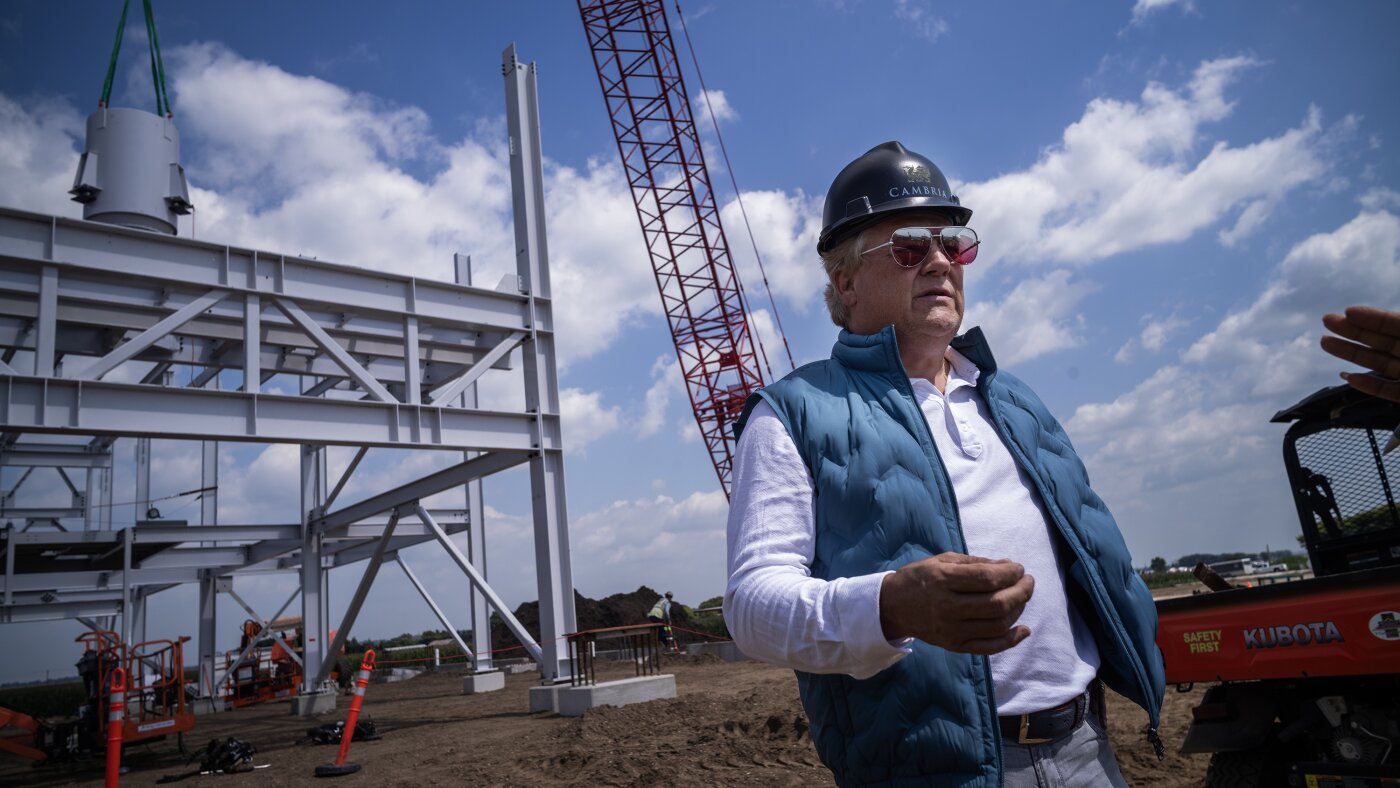
Cambria CEO Marty Davis Leverages Tariffs on Quartz Imports, Sparking Industry Backlash - {璐㈡姤鍓爣棰榼
2026-05-18 12:32:08 | EST
News Cambria CEO Marty Davis Leverages Tariffs on Quartz Imports, Sparking Industry Backlash
News

Cambria CEO Marty Davis Leverages Tariffs on Quartz Imports, Sparking Industry Backlash - {璐㈡姤鍓爣棰榼

Cambria CEO Marty Davis Leverages Tariffs on Quartz Imports, Sparking Industry Backlash
News Analysis
{鍥哄畾鎻忚堪} Cambria CEO Marty Davis, a notable Trump donor, successfully petitioned the U.S. government to impose tariffs on imported quartz. The move has drawn sharp criticism from business rivals, who accuse Davis of using trade policy to stifle competition. The tariffs, now in effect, could reshape the quartz countertop market.

Live News

- Tariff Request Granted: Marty Davis, CEO of Cambria, successfully petitioned the U.S. government to impose tariffs on imported quartz, a key raw material for countertop manufacturers. - Political Context: Davis is a known donor to former President Donald Trump, suggesting political ties may have facilitated the tariff action, though no direct link is confirmed. - Competitor Backlash: Business rivals have publicly criticized the move, arguing that it unfairly targets companies that rely on imported quartz and could stifle competition in the market. - Market Implications: The tariffs could raise input costs for importers, potentially leading to higher prices for quartz countertops and benefiting domestic producers like Cambria. - Sector Impact: The quartz countertop industry is highly competitive; tariffs may prompt affected companies to seek alternative sourcing or pass costs to consumers. - Policy Precedent: This case underscores how individual corporate leaders can leverage trade policy to gain a competitive advantage, raising questions about fairness and transparency. Cambria CEO Marty Davis Leverages Tariffs on Quartz Imports, Sparking Industry Backlash{闅忔満鎻忚堪}{闅忔満鎻忚堪}Cambria CEO Marty Davis Leverages Tariffs on Quartz Imports, Sparking Industry Backlash{闅忔満鎻忚堪}

Key Highlights

According to an NPR report, Cambria CEO Marty Davis has leveraged his political connections to secure protective tariffs on quartz imports. The U.S. government granted his request, placing duties on foreign quartz used in countertops and other surfaces. Cambria, a leading American manufacturer of quartz surfaces, is headquartered in Minnesota. Davis, a prominent donor to former President Donald Trump, argued that cheap imports from overseas competitors were harming the domestic quartz industry. The tariffs are intended to level the playing field, but competitors claim the move is a thinly veiled attempt to weaken rival companies that rely on imported quartz. The NPR story details how Davis’s company directly benefits from the tariff, as Cambria produces its quartz domestically. Rivals, many of whom import quartz blanks from countries such as India and Turkey, now face higher costs. Some businesses have warned that the tariffs could lead to job losses and higher prices for consumers. The government’s decision to impose tariffs on quartz has not been publicly detailed in the NPR report, but the action aligns with the Trump administration’s broader trade policies that frequently used tariffs to protect U.S. manufacturers. The incident highlights how individual executives can influence trade policy to gain a competitive edge. Cambria CEO Marty Davis Leverages Tariffs on Quartz Imports, Sparking Industry Backlash{闅忔満鎻忚堪}{闅忔満鎻忚堪}Cambria CEO Marty Davis Leverages Tariffs on Quartz Imports, Sparking Industry Backlash{闅忔満鎻忚堪}

Expert Insights

The tariffs on quartz imports represent a significant development in the U.S. countertop industry. By securing protection against foreign competition, Cambria may strengthen its domestic market position in the short term. However, such measures could spark retaliation from trading partners or lead to supply chain disruptions for importers. Industry observers note that while tariffs can shield domestic producers, they may also increase costs for downstream businesses, such as home builders and retailers. The long-term impact on the broader construction and renovation sector remains uncertain. If competitors are unable to absorb higher import costs, they might be forced to raise prices, potentially dampening consumer demand. From an investment perspective, the situation illustrates the influence of political donations on trade policy. Companies that align with the current administration’s protectionist stance may benefit from targeted tariffs, but these benefits could be offset by negative reactions from trading partners or antitrust scrutiny. Investors should monitor how the tariff dispute evolves, as similar actions in other industries have led to market volatility and shifts in competitive dynamics. Disclaimer: This analysis is for informational purposes only and does not constitute investment advice. Cambria CEO Marty Davis Leverages Tariffs on Quartz Imports, Sparking Industry Backlash{闅忔満鎻忚堪}{闅忔満鎻忚堪}Cambria CEO Marty Davis Leverages Tariffs on Quartz Imports, Sparking Industry Backlash{闅忔満鎻忚堪}
© 2026 Market Analysis. All data is for informational purposes only.